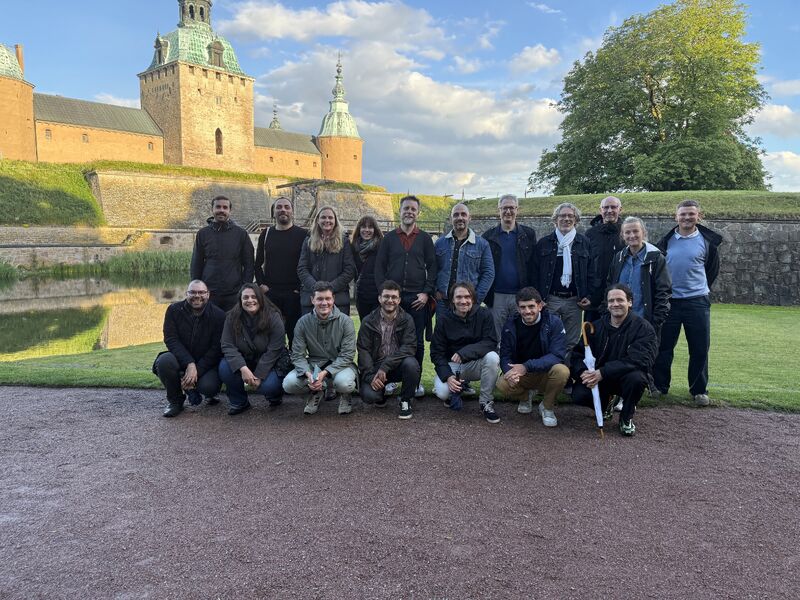
On 16–17 June 2026, BIOMETHAVERSE partners gathered in Kalmar, Sweden, for the project’s 8th General Assembly and Technical Workshop, taking stock of progress as the project moves into a crucial phase of implementation.
The two-day meeting brought together the consortium to review progress across the project’s work packages and, in particular, the five BIOMETHAVERSE demonstration sites in France, Greece, Italy, Sweden and Ukraine. Discussions focused on the completion of pilot activities, collection of robust operational data and the close coordination needed between demonstration, technical and sustainability assessment, replication, communication and exploitation activities.
Five demonstrations moving towards consolidated results
Updates from the demonstration sites showed encouraging progress, alongside technical and operational challenges that partners continue to address.
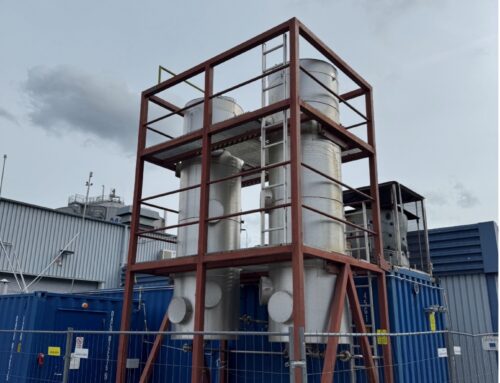
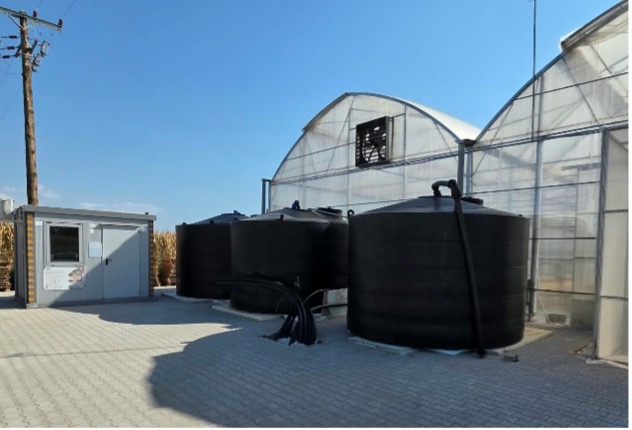
In France, the electro-methanogenesis pilot has produced promising early results while work continues to improve stable operation and data robustness. In Greece, the main components of the ex-situ thermophilic methanation pilot have been installed and successfully passed factory and site acceptance tests, paving the way for full pilot operation.
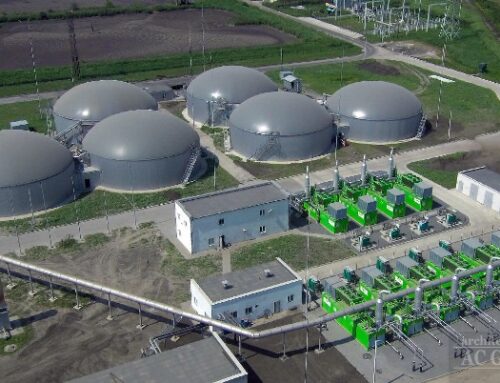
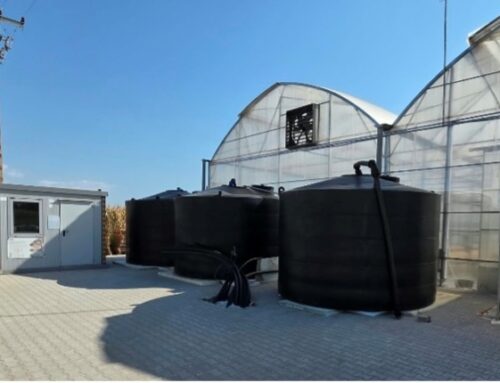
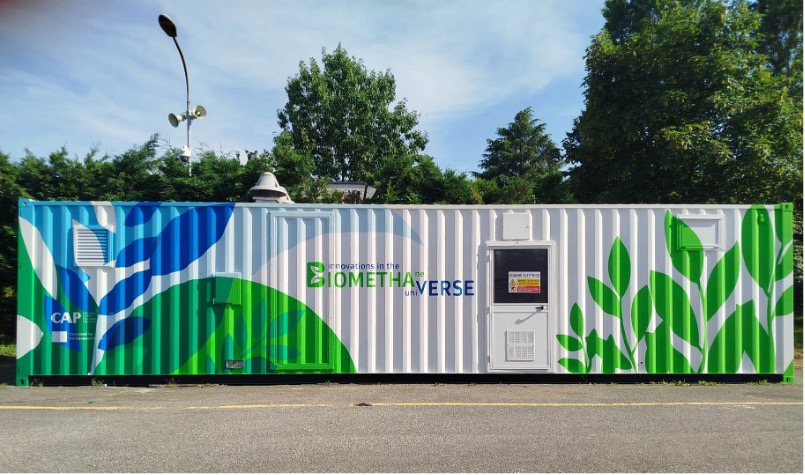
The Italian demonstration is progressing with activities combining ozonolysis, biological upgrading, microalgae cultivation and co-digestion, with preliminary results showing positive effects including reduced hydrogen sulphide production. In Ukraine, the in-situ biological methanation pilot continues to operate under stable conditions, achieving high hydrogen utilisation despite challenging external circumstances.
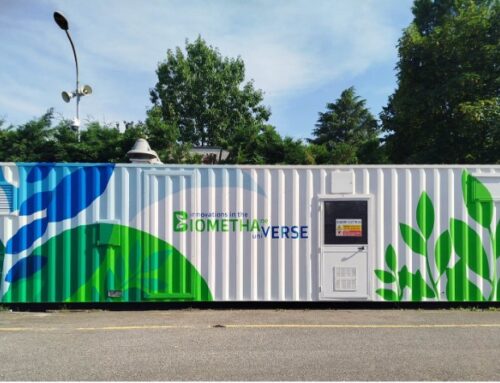
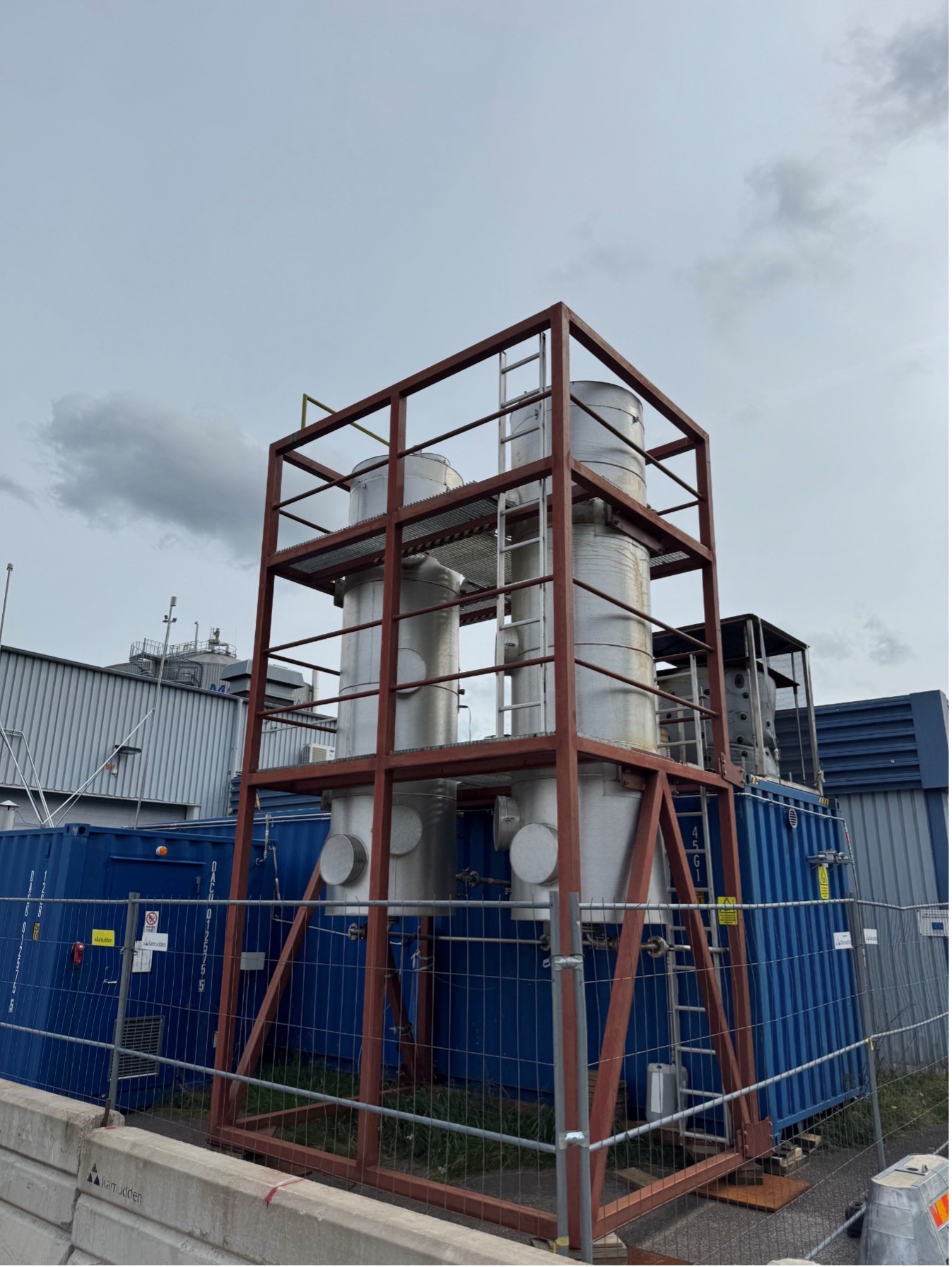
The meeting also provided a particularly timely opportunity to see the Swedish demonstration in operation. Following the relocation of the pilot to the More Biogas facility in Kalmar in March 2026, the system was restarted in April and has already achieved promising results, upgrading incoming biogas to biomethane with methane concentrations of up to 97%.
From pilot operation to evidence for replication
As the demonstrations progress, the coming months will increasingly focus on translating operational experience into the evidence needed for the project’s final outputs. Pilot data will feed into techno-economic, environmental and social assessments, as well as the preparation of public demonstration blueprints, replication activities, policy recommendations and exploitation work.
Partners also discussed the next steps for BIOMETHAVERSE’s replication work. First replication sites have already been identified and will contribute to an analysis aimed at understanding how the innovative biomethane solutions demonstrated by the project could be transferred to different geographical and operational contexts.
Visiting the Swedish biomethane ecosystem
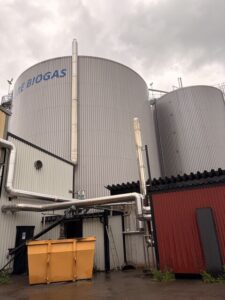
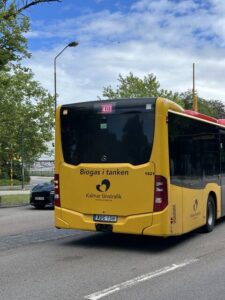
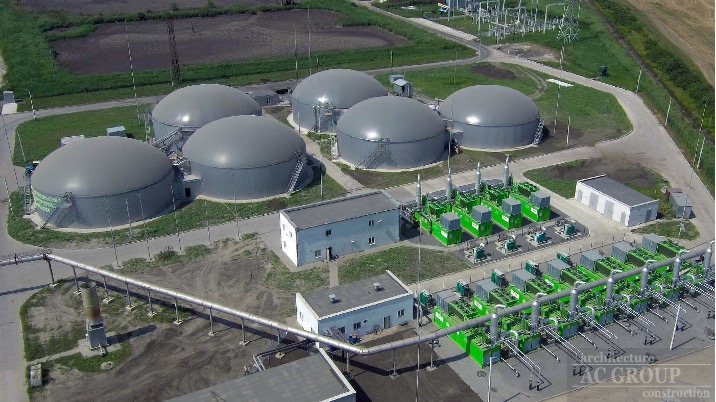
The General Assembly also included a site visit to More Biogas and the BIOMETHAVERSE methanation pilot, giving partners the opportunity to see the Swedish demonstration context first-hand and discuss the practical implementation of the technology following its relocation to Kalmar.
The Kalmar meeting confirmed the importance of close collaboration across the consortium as BIOMETHAVERSE works to consolidate pilot results and turn them into robust technical, environmental, economic and social evidence supporting the wider uptake and replication of innovative biomethane technologies.